

The US needs to have a Serious Conversation about Elder care and End-of-Life Care
- Commentary Featured News
admin
- May 8, 2026
- 0
- 326
- 3 minutes read
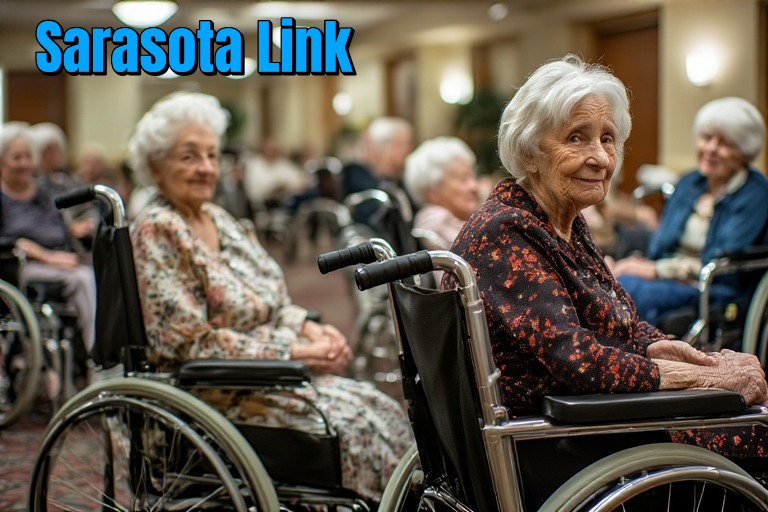
As the population of older adults in the United States continues to grow, the need for a thoughtful and comprehensive discussion around elder care and end-of-life support has never been clearer. Thousands of families are grappling with how to provide appropriate care for their aging loved ones, yet many are unsure where to turn or what options are available. It’s time for us, as a society, to engage in a serious conversation about these critical issues that affect so many.
One of the most pressing challenges in elder care lies in the fragmentation of services. Families often find themselves navigating a maze of healthcare providers, home care agencies, and support services, each with its own set of rules and regulations. This lack of cohesion can lead to confusion and frustration, ultimately impacting the quality of care that seniors receive. A more streamlined approach that offers clear pathways for families seeking support could significantly alleviate this burden.
In addition to navigating care options, there is also the emotional toll that comes with making decisions for aging parents or relatives. Many families face a lack of resources and information regarding the types of care available, the costs associated with them, and the implications of various choices. Communities could benefit from improved educational resources that help families understand elder care options, including assisted living, nursing homes, and in-home care. Access to this information could empower families to make informed choices that are best suited to their loved ones’ needs.
Furthermore, end-of-life care is an often-overlooked aspect of elder care that warrants serious exploration. Discussions about death and dying are typically avoided in American culture, creating a stigma that can hinder families from having crucial conversations. Palliative care and hospice services provide essential support during a time of transition, yet many families are unaware of these options until it’s almost too late. Integrating education about these services into elder care resources would allow families to approach these difficult discussions with greater understanding and preparedness.
Moreover, the financial implications of elder care are a concern for many families. As healthcare costs rise, the burden of expenses for home health aides, long-term care facilities, and medical services can be overwhelming. Governments and private sectors need to explore funding models that support affordable elder care. This could include comprehensive insurance options or community funding initiatives that cater specifically to the elderly population.
As we continue this dialogue, we must also focus on the dignity and respect that our seniors deserve. Promoting human-centered approaches in elder care will ensure that care is not only about meeting medical needs but also about enriching lives. Creating environments that promote social interaction, mental stimulation, and emotional well-being can lead to better health outcomes and improved quality of life for our aging population.
In conclusion, the conversation around elder care and end-of-life support is not just a family matter; it is a societal responsibility. By fostering open dialogue, enhancing resources, and emphasizing holistic approaches to care, we can create a system that honors our elders and supports families during what can be an incredibly challenging time. It’s time for our communities to come together and advocate for the care our loved ones truly deserve.




“Booming” Economy With No Jobs
May 8, 2026