

Plump, Portly, Rotund, full-figured. Can being fat be genetic?
- Commentary Health Lifestyle
admin
- April 20, 2026
- 0
- 479
- 3 minutes read
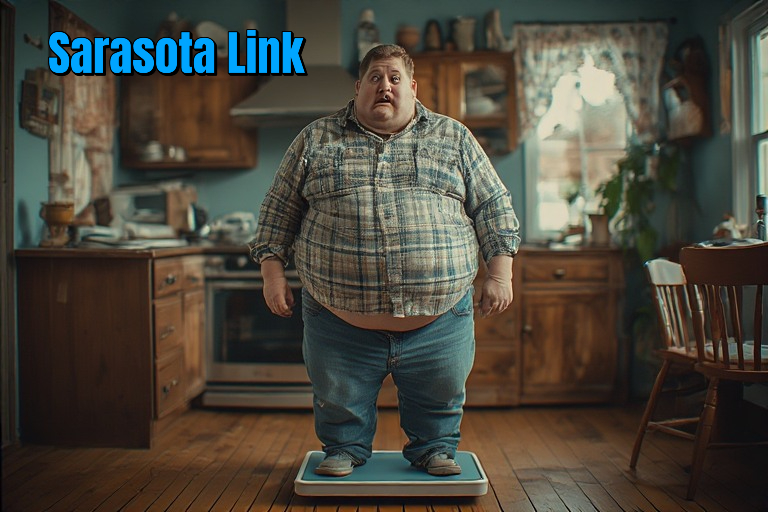
As discussions around body image and health continue to evolve, curiosity persists regarding the role genetics play in our body shape and weight. In Sarasota Link Magazine, we examine a significant question: Can being plump, portly, or rotund be inherited? Are some people truly predetermined to struggle with their weight due to their genetic makeup?
To understand the genetic aspect of weight control, we first need to acknowledge that our bodies are influenced by a complex interplay of genetics, environment, and lifestyle. While we often hear phrases like “I’m just big-boned,” there is scientific grounding in the belief that genetics can affect not only body weight but also our metabolism, fat distribution, and how our bodies react to food.
Research indicates that genetic factors contribute to about 40% to 70% of the variation in body mass index (BMI) among individuals. Specific genes have been identified that can influence appetite, satiety, and fat storage. For instance, variations in the FTO gene have been linked to increased body mass, affecting how our bodies metabolize food and store energy.
However, genetics is just one piece of a larger puzzle. Environmental factors also play a substantial role in weight management. Lifestyle choices such as diet, physical activity, and even socioeconomic status can either amplify or limit the genetic predisposition to being overweight. Consider two individuals with similar genetic backgrounds: if one is raised in an environment conducive to healthy eating and regular exercise, while the other is not, the effects on their weight can be dramatically different.
Moreover, behavioral genetics reveals that certain habits can be influenced by our genes. For instance, people with a genetic predisposition towards obesity may have a stronger response to high-calorie foods, making it more challenging for them to adhere to diets that promote weight loss. This highlights the importance of understanding that while genetics may influence our propensity to gain weight, it does not absolve individuals from personal responsibility and actionable change.
The discussion on genetics and body weight also invites a broader conversation about societal perceptions of health and beauty. Many individuals face misconceptions about being overweight or obese, often leading to stigma and discrimination. It’s essential to combat the notion that being plump is purely a matter of self-control, recognizing instead the multifaceted influences of genetics, lifestyle, and environment.
As the dialogue continues, it is crucial for health professionals, communities, and individuals to foster understanding and compassion towards those with a predisposition to gaining weight. Comprehensive approaches that celebrate body diversity, encourage healthy living without judgment, and acknowledge genetic influences can facilitate more effective health conversations.
In conclusion, the question of whether being plump or rotund can be traced back to our genes reveals a layered understanding of body weight. While genetics indeed plays a substantial role, it is our environment, choices, and overall lifestyle that complete the picture. Acknowledging this complexity allows us to foster a more inclusive discussion around body positivity and health. The journey towards a healthier nation relies on understanding and addressing the nuanced interplay of genetics, environment, and personal agency. At Sarasota Link Magazine, we aim to keep this critical conversation alive, promoting awareness and compassion in our community.




“Booming” Economy With No Jobs
May 8, 2026